
PBS Media Literacy Resources
Engage learners of all ages on their path to digital citizenship with free media literacy resources and professional learning from PBS. Help learners build skills to evaluate online information, use critical analysis in their everyday media use, and support media production.
What You Will Find
-

Information Literacy
Help students think critically and understand how to find reliable and accurate information.
-

Digital Citizenship
Engage students as thoughtful and responsible media consumers and creators.
-

Creative & Digital Skills
Support youth media-making projects including video, podcasting, and infographics.
PBS Resources
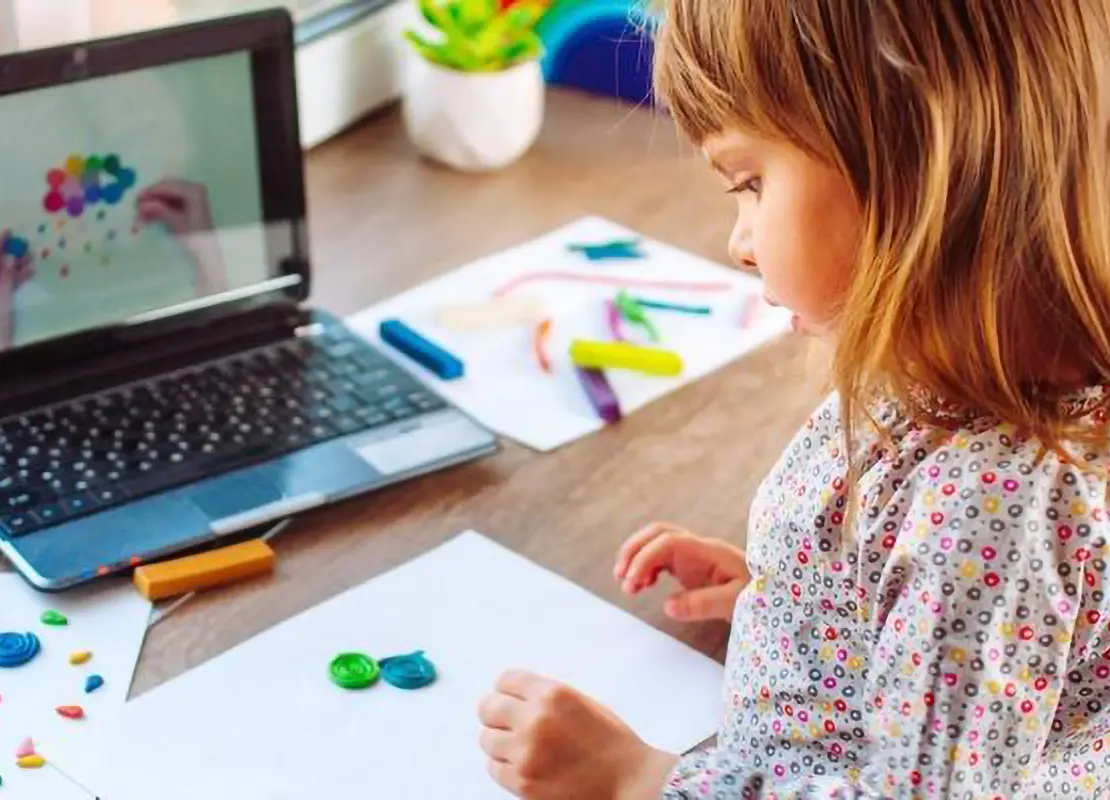
Early Childhood Resources
These free self-paced courses for educators and care providers working with children ages 2-8 share strategies to help young learners understand technology and media in a responsible way.
Explore Now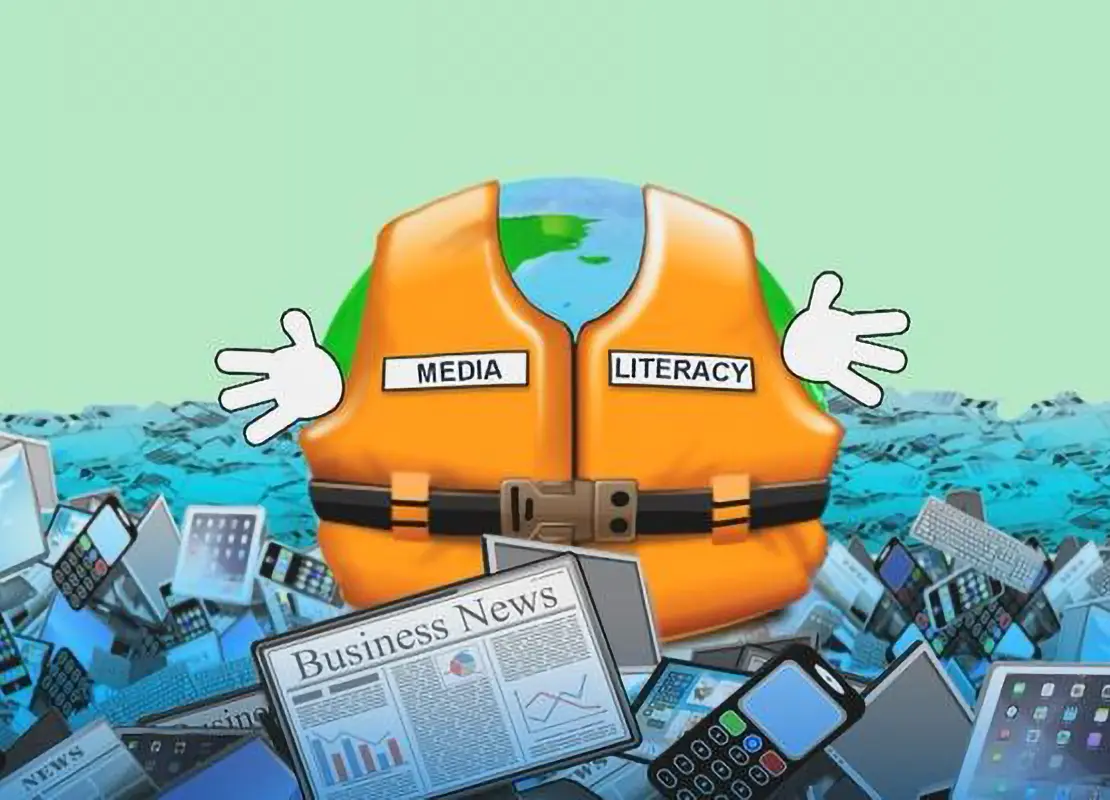
Elementary Resources
Media literacy resources for grades 3-5 help elementary learners to think critically about the information and media they encounter every day.
Explore Now
Secondary Resources
These resources deepen media literacy knowledge in middle and high school students with an emphasis on fact-checking, AI, and news.
Explore NowRequest Educational Services for your School or District
Get In Touch
Invite us to present, support media projects, or match standards-aligned media literacy resources with your curricular priorities.
Get StartedFeatured Resources
PBS Wisconsin Youth Media
Submit a request to work with PBS Wisconsin Education to support the creation of research-based history documentaries produced by students. Grades 9-12
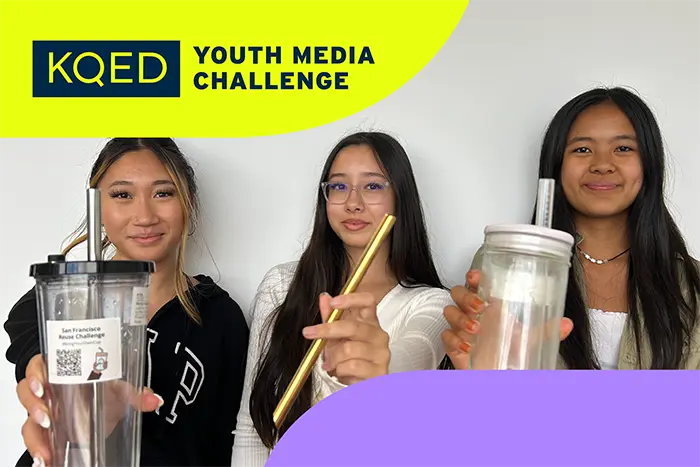
KQED Youth Media Challenge
Invite middle and high school students to explore how they see themselves, their world, and their future with prompts that guide the creation of original media projects. Grades 6-12
Storymaker from Student Reporting Labs
Access lesson plans, tutorials, and projects that provide a strong foundation of storytelling and journalism skills for middle and high school students. Grades 6–12
Ruff Ruffman: Humble Media Genius
Explore topics like texting, sharing photographs, using AI, and finding an appropriate balance of technology and media use. Grades 3-5
Be MediaWise Collection
Help students be more savvy online, including resources on using the internet safely, fact-checking fundamentals, evaluating sources, recognizing “fake news,” navigating artificial intelligence, and more. Grades 6-12
Habits for Family Well-Being in a Digital Age
This online course equips providers to support families and young children with digital well-being strategies and engaging content to foster safe, connected, and enriching media experiences—both online and offline!
KQED Teach
Explore on-demand professional development courses that empower educators to teach media literacy, make media for the classroom and lead media-making projects. Grades K-12
Media Literacy Lessons
Learn how Wisconsin educators put media literacy into practice.

Grades K–2
Fact or Fake?
By Jennifer Georgia

Grades 3–5
Creating a Code of Conduct
By Debbie Burmeister and Erin Ermis

Grades 9–12
Evaluating Online Information—Does Voter Fraud Exist?
By Jaclyn Jecha

Grades 6–8
Celebrating Poetry Through Media Production
By Ethan Crocetti-Floerke

Grades 6–8
Exploring Video Production: “Our World in Motion”
By Dana Pike

Grades 9–12
Psychology of a Student-Athlete Video Project
By Kevin Ladell


Quotation

“Students are exposed to so many different sources every day. If they don’t have the proper analytical skills, they are more likely to fall for disinformation. Media literacy supports students to make better choices.”
Jaclyn Jecha
New Berlin West Middle and High School
New Berlin